
Everything on this site is organised into five connected learning systems.

Each section is a live content loop. Posts are added as they are published and will automatically appear in the relevant section over time. Some sections may currently have no posts while the system is still being built.
How to Use This Site
You don’t need to read everything in order.
Instead, follow your level:
🟢 Beginner
Start with the Science Explained in 60 Seconds feed.
🟡 Intermediate
Move into the Explained Simply feed.
🔴 Advanced
Explore the Academic Survival and Deconstructing Ideas feeds.
🧠 Full Mastery
Combine all five live feeds into a single learning system.
1. Science Explained in 60 Seconds (Fast Understanding)
Short, structured explanations designed for rapid learning and instant clarity.
Each post answers:
- What it is
- How it works
- Why it matters
- One simple analogy
This series provides quick, accessible explanations of key topics such as quantum physics, climate change, evolution, memory, and general human behaviour.
Best for: quick clarity, beginner understanding, fast revision
Live feed status:
This section will populate as new “60 Seconds Science” posts are published.
-

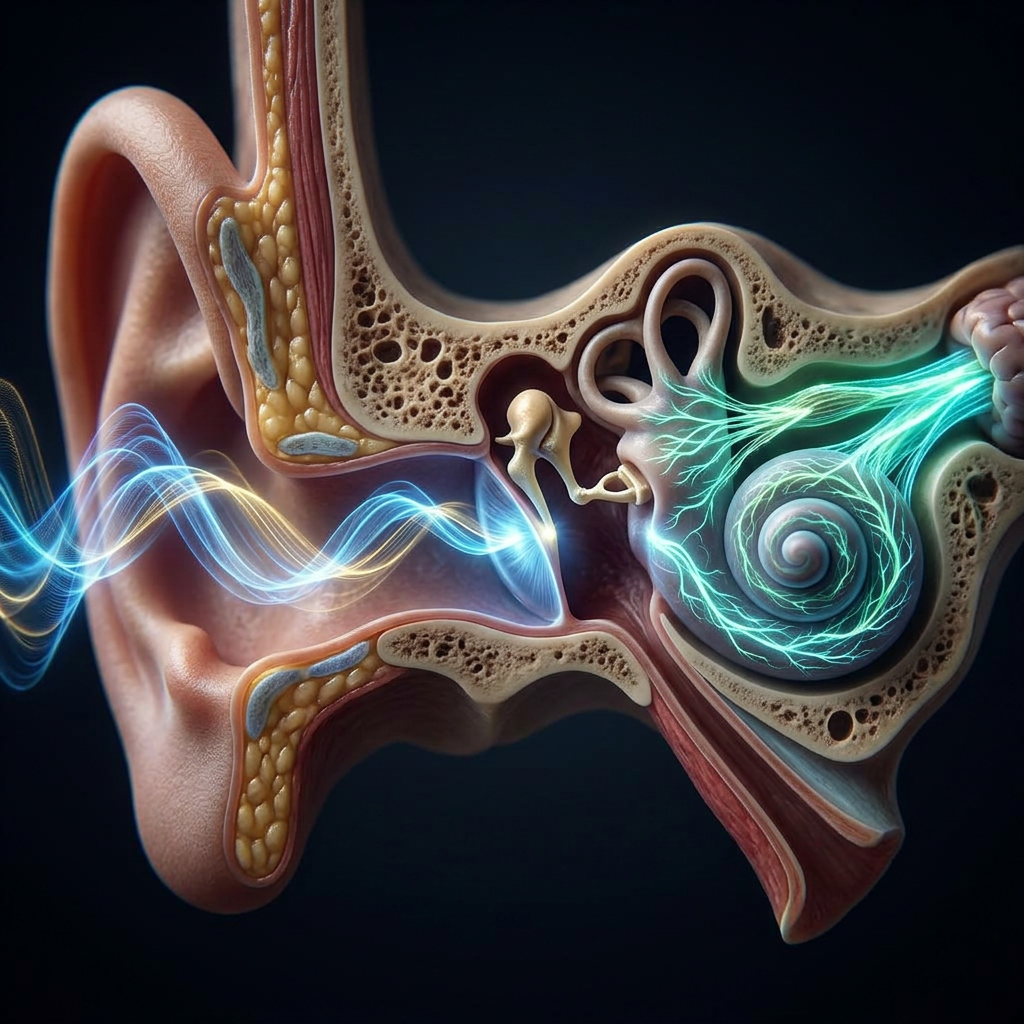
Why Do We Hear Ringing in Silence?
-
Why We Get Déjà Vu
-
Why Are Worlds and Planets Round?
-
Why People with Difficult Life Experiences Sometimes Excel in Mental Health Roles
-
Why do teeth feel sensitive in the cold?
-
Evolution in 60 Seconds
-
Memory in 60 Seconds
-
Why Time Feels Faster as We Age


2. Explained Simply
Full breakdowns of major scientific ideas written in plain language without losing accuracy.
This section builds deep understanding instead of memorisation.
This series provides quick, accessible explanations of key topics such as quantum physics, climate change, evolution, memory, general human behaviour, and human instincts.
Best for: foundational understanding and concept mastery
Live feed status:
This section will grow as new “Explained Simply” articles are published. It may be empty initially while the library is being developed.
-
The Science Behind Infrastructure and Human Variability
-
Why Do I Feel Empty Even When Life Is Good?
-
Why People Get Emotionally Stuck in Certain Thoughts
-
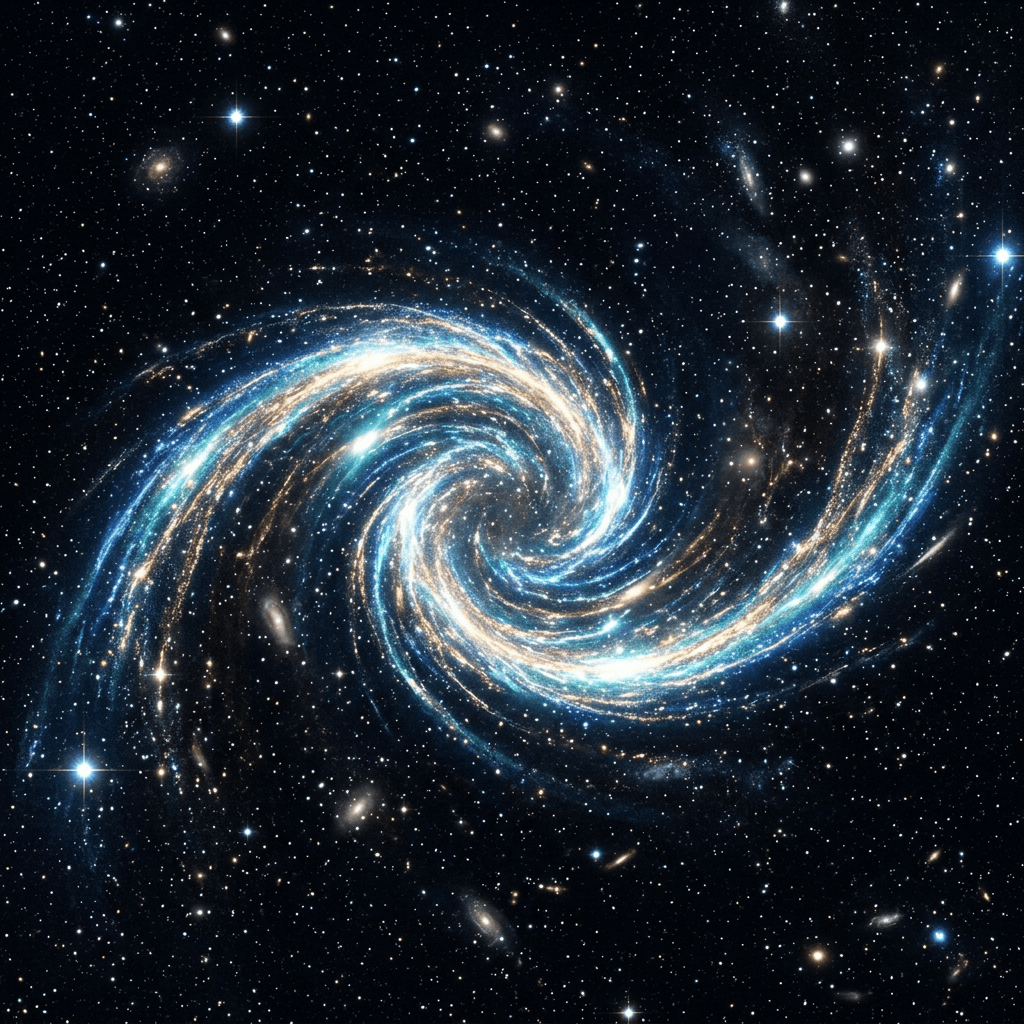
Simple Science Explanations: Why the universe is expanding (simple breakdown)
-
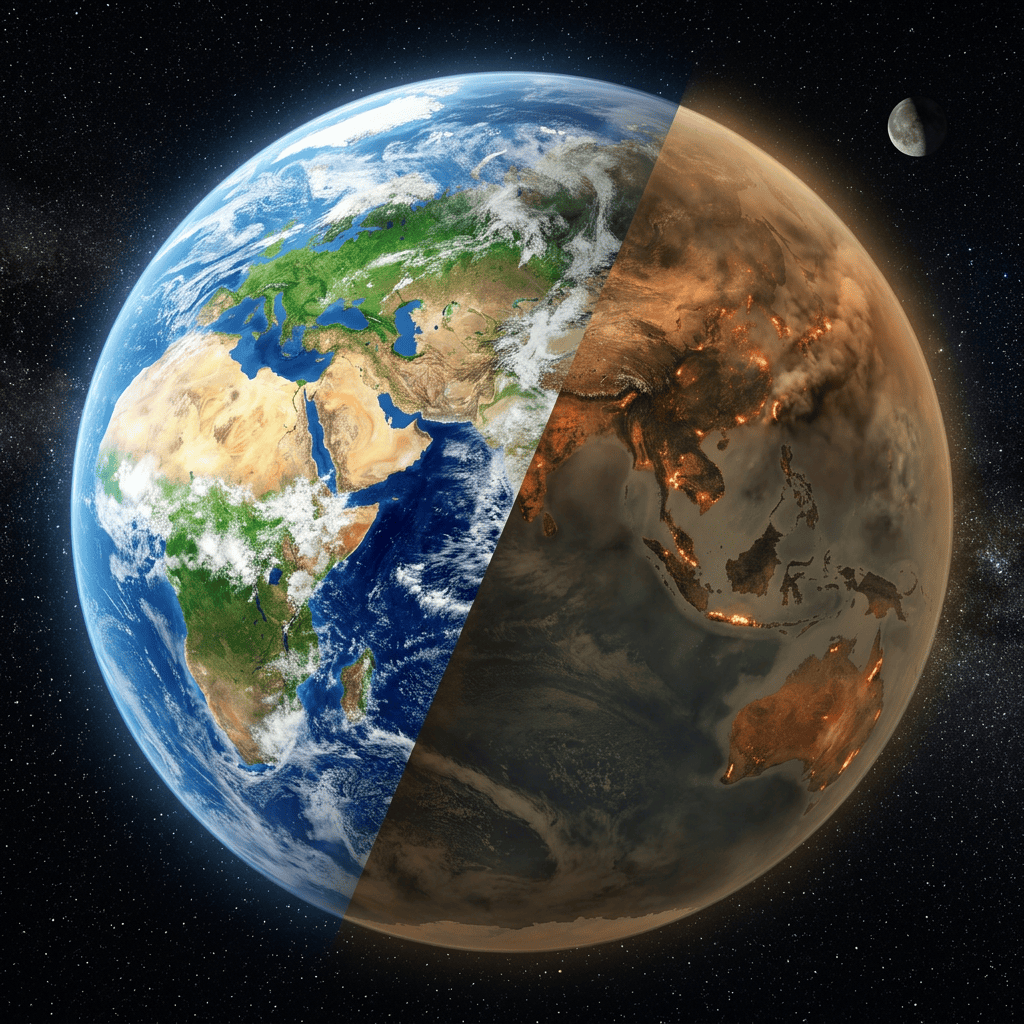
What Is Climate Change Actually Doing?
-
What Is Quantum Physics (Without the Jargon)
-
Science Deconvolution – Explained Simply (Series Introduction)
-
Top Free Science Learning Resources: Find Your Fit





3. Most Misunderstood Science Concepts (Myth-Busting Hub)
A correction-focused feed that challenges common scientific misunderstandings.
This section targets misconceptions caused by oversimplification, repetition, or misinformation.
This series challenges common misconceptions, showing that quantum physics is not just randomness, evolution does not mean humans came from monkeys, memory is not a simple recording device, vaccines do not overload the immune system, and many popular beliefs about human behaviour are also myths.
Best for: correcting misinformation + high engagement content
Live feed status:
This section will populate as new misconception breakdowns are published. It may currently have limited or no posts while the feed is expanding.
-
Correlation ≠ Causation
-
Evolution does NOT mean “humans came from monkeys”
-
Climate Change is NOT “just warmer weather”
-
Quantum Physics is NOT “everything is random”
-
Most Misunderstood Science Concepts (Explained Clearly, Without Jargon) – Introduction


4. Academic Survival (Study + Exam System)
A structured learning system focused on turning understanding into exam performance.
This section covers revision strategy, exam technique, and academic efficiency.
This series explores effective ways to learn and master science faster, including building a strong study system, achieving exam question mastery for top grades, learning how to write clear scientific abstracts, and developing strategies to read and understand research papers efficiently.
Best for: students, revision systems, exam performance
Live feed status:
This section will update as new academic guides and study systems are published. It may not yet contain full content while the system is being built.
-
Connect Science Across Topics
-
Teach It to Someone Else
-
Break Science into Small Concepts
-
Essential Skills for Career Success: A Student’s Guide
-
Draw the Concept (Even Badly)
-
How to Read a Research Paper Fast
-
Stop Memorising, Start Understanding Systems
-
AI and the Future of Exam Structures in Education


5. Deconstructing Ideas (Critical Thinking Layer)
A deeper analytical feed exploring how science is misunderstood, miscommunicated, or misinterpreted.
This section focuses on why confusion happens in the first place.
This series explores why science communication often fails, why students struggle with science, how correlation differs from causation, and why scientific thinking breaks down, including the role of human behaviour in shaping misunderstandings and misconceptions.
Best for: critical thinking, deeper insight, authority building
Live feed status:
This section will fill as analytical posts are added over time. It may currently be empty while content is being developed.
-
A cause does NOT fully explain an event
-
Scientific facts are NOT absolute and unchanging
-
Why Science Communication Often Fails
-
Why “Correlation ≠ Causation” Matters
-
Deconstructing Ideas Series – Introduction




External Learning Resources
For deeper study and verification:
- https://www.khanacademy.org
- https://www.nasa.gov
- https://www.ipcc.ch
- https://www.bbc.co.uk/bitesize
- https://ocw.mit.edu
Final Insights
Science Deconvolution is not:
- A textbook
- A revision guide
- Or a glossary
It is:
A structured, evolving system for understanding science clearly, quickly, and correctly.
Final Takeaway
Science is not hard because it is complicated.
It is hard because it is often:
- Explained without structure
- Taught without systems
- Learned without connections
Science Deconvolution rebuilds that structure so understanding becomes natural, not forced.
