recent posts
- C5 – Chemical Changes
 The C5 topic in GCSE Chemistry equips students with the knowledge to understand and explain chemical reactions. It covers acids, alkalis, metal reactions, displacement, redox reactions, and the significance of observations. Mastery of these concepts enables students to predict outcomes, write equations, and construct high-quality exam responses, facilitating effective learning.
 - Why We Get Déjà VuDéjà vu is the sensation of experiencing a current situation as familiar, despite it being new. This occurs due to temporary mismatches in brain processing, leading to errors in memory recognition. It illustrates that memory is constructive and prone to inaccuracies, helping us understand how the brain interprets experiences.
- Effective Flashcard Strategies for Better LearningFlashcards are a powerful study tool that enhances active recall and promotes spaced repetition for better memory retention. To create effective flashcards, write questions and answers on opposite sides, use images, and keep concepts concise. Regular review and digital apps like Quizlet or Anki can further improve learning outcomes.
- Honouring Neurodiversity in Resource DesignThe framework emphasises designing inclusive resources that honour neurodivergent perspectives. It advocates for intentional listening, flexibility in structure, and inviting language. By prioritising diverse cognitive needs and encouraging reflection and engagement, the aim is to innovate rather than accommodate, fostering supportive environments for neurodivergent users.
- C4 – Quantitative ChemistryThe C4 module in GCSE Chemistry focuses on quantitative skills necessary for understanding chemical calculations. It covers key concepts such as relative formula mass, moles, balanced equations, limiting reactants, percentage yield, and concentration. Mastery of these topics enables students to perform calculations confidently and prepares them for higher-tier examination success.





Tag: what is entropy in simple terms
-

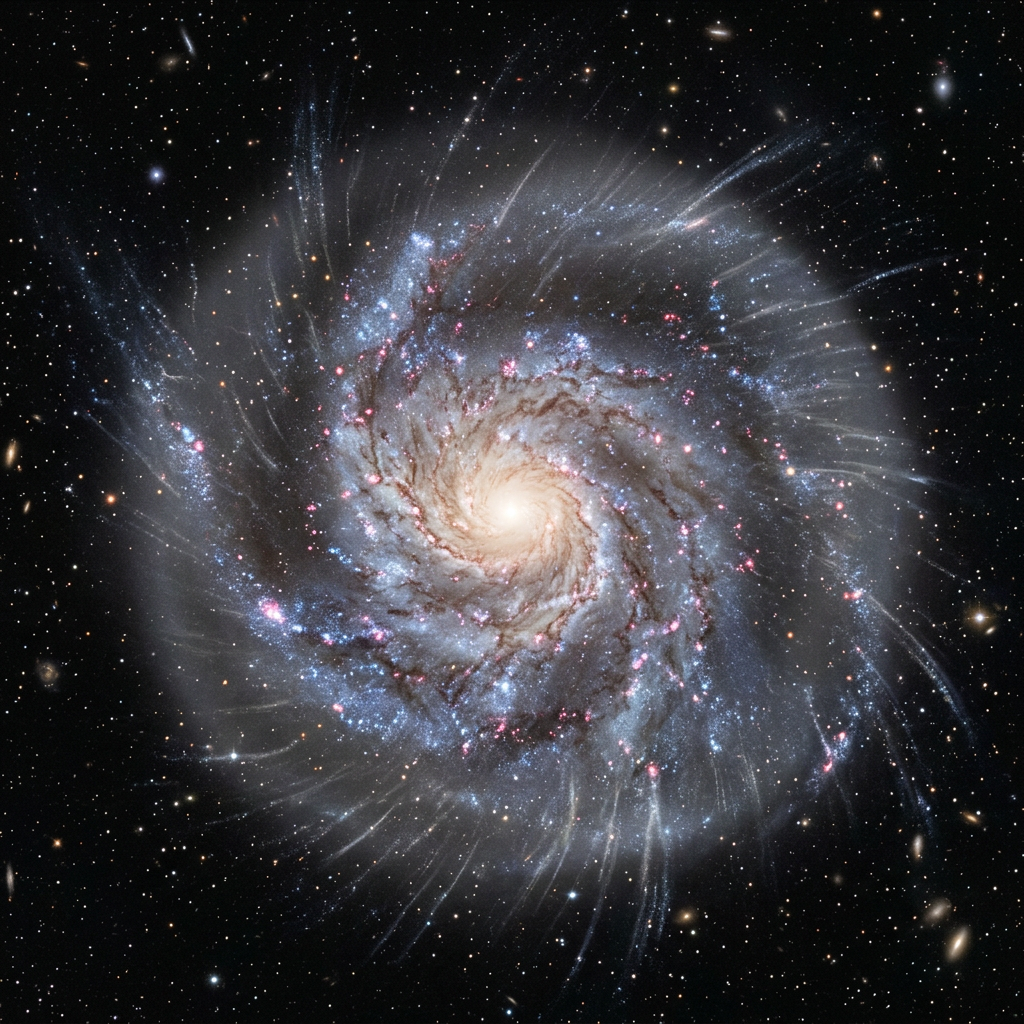
The universe is expanding, with galaxies moving apart due to the stretching of space itself, initiated by the Big Bang 13.8 billion years ago. This expansion, observable through redshift, is not only ongoing but accelerating, driven by a mysterious force known as dark energy, which comprises roughly 68% of the universe.
-
Evolution is a fundamental concept in biology, often misinterpreted. It entails random genetic changes in populations over time, driven by natural selection rather than a goal. Key points include that individuals do not evolve, mutations provide variation, and evolution remains ongoing. It does not explain life’s origins or individual behaviour.
-
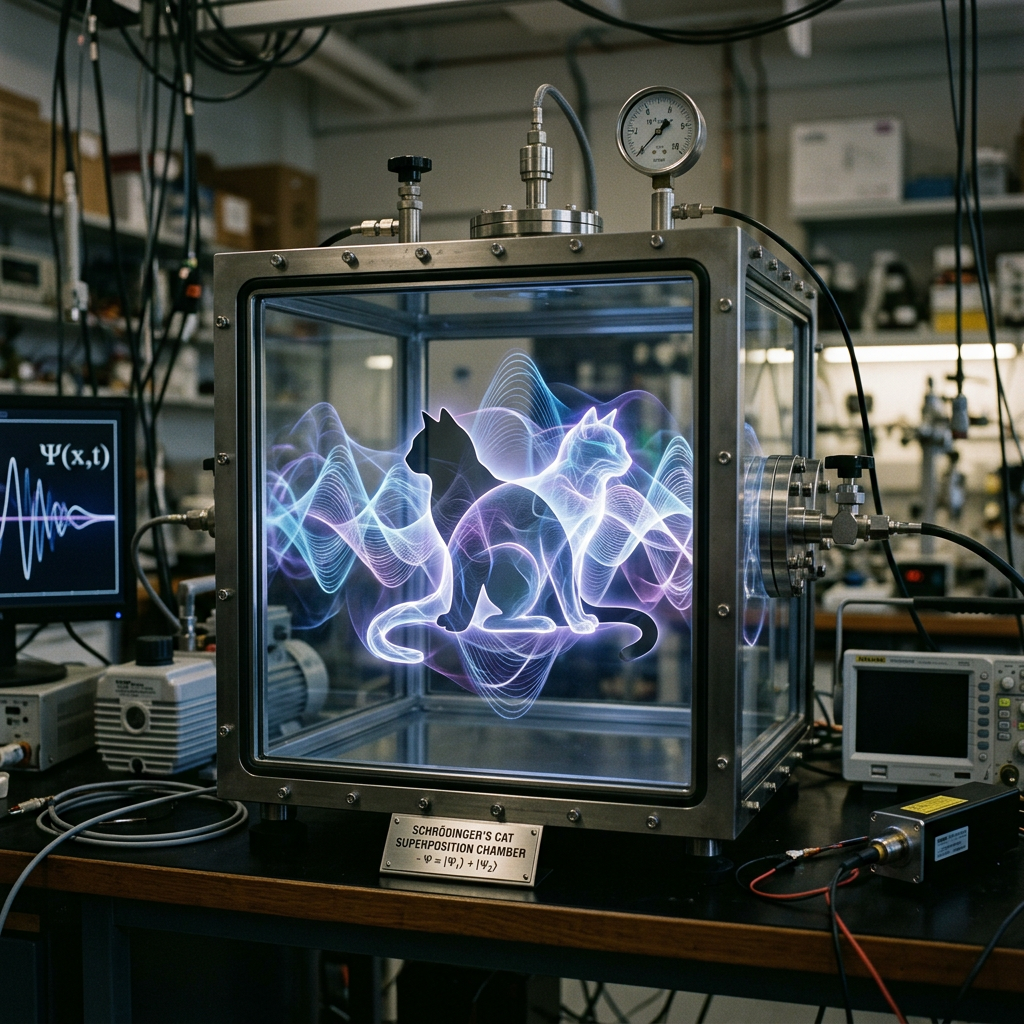
Quantum superposition describes how particles exist in multiple states simultaneously until measured. This concept is illustrated by Schrödinger’s cat thought experiment, highlighting the probabilistic nature of quantum systems. Measurement collapses this superposition into a definite state. Superposition underpins advancements in quantum technologies, such as computing and encryption, revealing the universe’s inherent uncertainty.
-
The simulation hypothesis, proposed by Nick Bostrom, suggests that advanced civilisations could create realistic simulations of conscious beings. While intriguing, science currently lacks empirical evidence to support or refute this idea. Physics describes a consistent natural universe, making the hypothesis more philosophical than scientific, with no practical implications for our reality.
-
Memory is a complex process involving various brain regions. It is not stored in one place but created through connections between neurons, strengthened by repetition. Memory occurs in three stages: encoding, storage, and retrieval. Emotional experiences enhance memory, while sleep consolidates information. Consequently, memories are dynamic and can change over time.
-
Dark matter remains one of physics’ greatest enigmas, undetectable by light yet influencing galaxies’ behaviour through gravity. Comprising roughly 27% of the universe, it is inferred from gravitational effects like galaxy rotation. Its composition is still uncertain, with theories including exotic particles. Despite its elusive nature, evidence for dark matter’s existence persists.
-
Dreaming remains a mystery, with multiple theories explaining its purpose. These include memory processing, emotional regulation, threat simulation, random brain activity, and enhanced creativity. Most vivid dreams occur during REM sleep, suggesting that dreams emerge from an active brain working through memories and emotions, creating meaningful yet often bizarre narratives.
-
Neuroscience raises important questions about free will, suggesting that many decisions are made unconsciously before we are aware of them. While our brains automate choices based on past experiences, they also allow for reflection and self-control. Ultimately, decision-making emerges from complex interactions within the brain, shaping our sense of agency.
-
As people age, time appears to accelerate due to psychological and neurological factors. The perception of time is influenced by the proportion of life that each year represents, fewer new memories formed in adulthood, and the efficiency of the brain in processing familiar experiences. Engaging in new activities can help slow this perception.