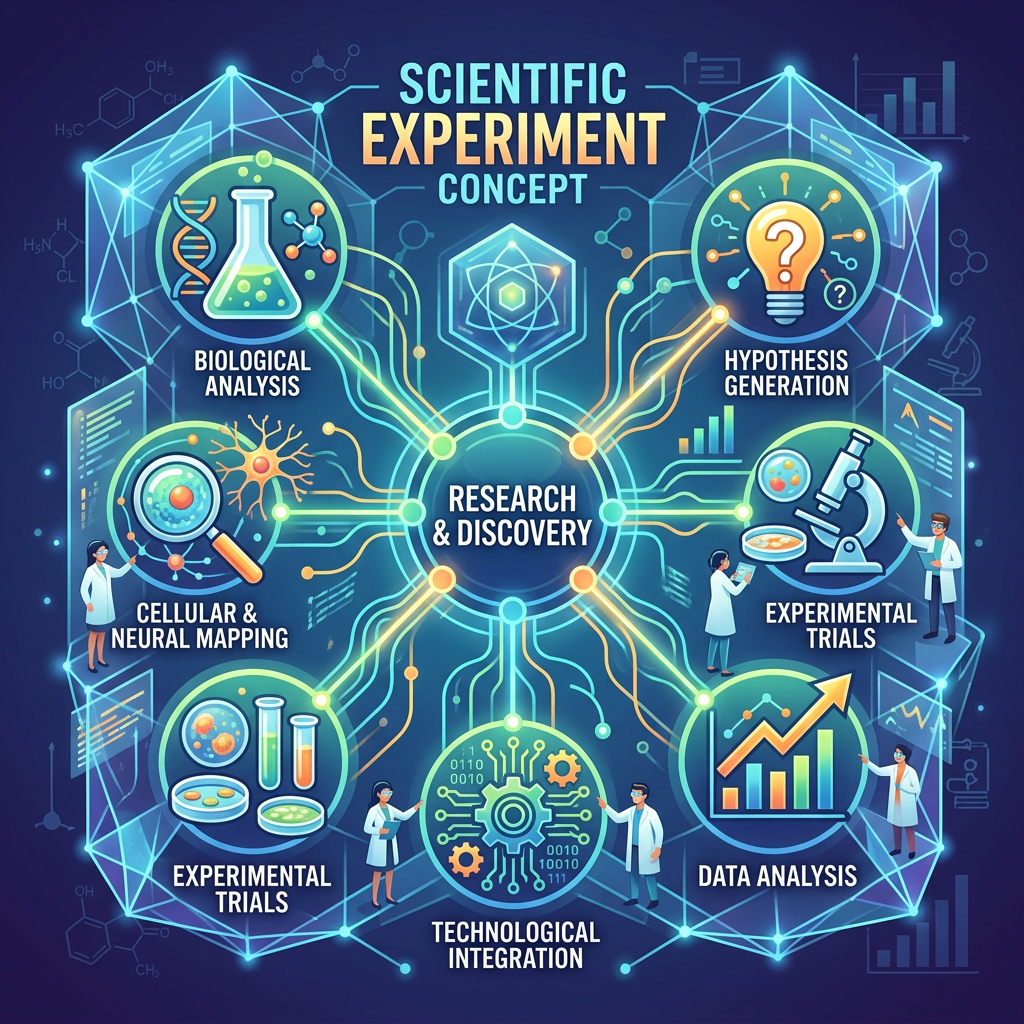
A common misunderstanding in science is the assumption that if an experiment produces a result once, that result must apply universally in all situations.
In reality, experimental findings are always tied to conditions, assumptions, and limitations.
What an experiment actually tests
An experiment is designed to:
- Isolate specific variables
- Test a hypothesis under controlled conditions
- Reduce external influences
- Measure outcomes within a defined system
So, an experiment studies:
A specific version of reality under specific conditions
Not every possible version of reality.
Why results are condition-dependent
Experimental outcomes depend on:
- How the experiment was designed
- What variables were controlled
- The environment in which testing occurred
- The precision of measurement methods
- The assumptions built into the study
So, the results are always:
Linked to the conditions that produced them
The key distinction
- Experimental result = what happened under the tested conditions
- Universal truth = assumption that it applies everywhere equally
Science does not automatically move from one to the other.
Instead:
Results must be replicated, tested, and validated across contexts
Why misunderstanding happens
People often assume:
- A published result is final
- One successful experiment proves a complete theory
- Laboratory conditions perfectly represent reality
But real systems are:
- Variable
- Context-dependent
- Influenced by hidden factors
So, findings may change:
When conditions change
Where this matters
This misunderstanding appears frequently in:
- Nutrition science
- Psychology studies
- Medical research
- Social science
- Media reporting of scientific findings
Simplified headlines often present:
Preliminary findings as universal conclusions
The mechanism (simple version)
Science builds confidence through:
- Observation
- Experimentation
- Replication
- Independent verification
- Model refinement
So single experiments are:
Pieces of evidence, not final endpoints
Why this matters
Misunderstanding experimental limits can lead to:
- Overconfidence in early findings
- Rapid swings in public opinion
- Distrust when later studies refine conclusions
- Misunderstanding how science progresses
So, the issue is not experimentation itself; it is:
Assuming one result settles everything
Simple takeaway
Experimental results apply to the conditions under which they were tested; they become stronger scientific knowledge only through repeated validation across different contexts.
References
https://plato.stanford.edu/entries/scientific-method/
https://www.nature.com/articles/d41586-019-00857-9