recent posts
- PART 2 of 2 – Securing Scholarships & Grants
 Part 2 of the Securing Scholarships & Grants framework assists individuals in managing the emotional and strategic aspects of funding. It offers guidance on responding to rejection, resubmitting, and coordinating applications while emphasising reflection and collaboration. This framework encourages viewing funding as a journey toward renewal and long-term growth.
 - Correlation ≠ CausationCorrelation does not imply causation; just because two events occur simultaneously does not mean one causes the other. For example, rising ice cream sales and drowning rates in summer are both influenced by temperature, not by each other. Understanding this principle is vital in data and reasoning.
- C5 – Chemical ChangesThe C5 topic in GCSE Chemistry equips students with the knowledge to understand and explain chemical reactions. It covers acids, alkalis, metal reactions, displacement, redox reactions, and the significance of observations. Mastery of these concepts enables students to predict outcomes, write equations, and construct high-quality exam responses, facilitating effective learning.
- Why We Get Déjà VuDéjà vu is the sensation of experiencing a current situation as familiar, despite it being new. This occurs due to temporary mismatches in brain processing, leading to errors in memory recognition. It illustrates that memory is constructive and prone to inaccuracies, helping us understand how the brain interprets experiences.
- Effective Flashcard Strategies for Better LearningFlashcards are a powerful study tool that enhances active recall and promotes spaced repetition for better memory retention. To create effective flashcards, write questions and answers on opposite sides, use images, and keep concepts concise. Regular review and digital apps like Quizlet or Anki can further improve learning outcomes.





Tag: transition metals
-
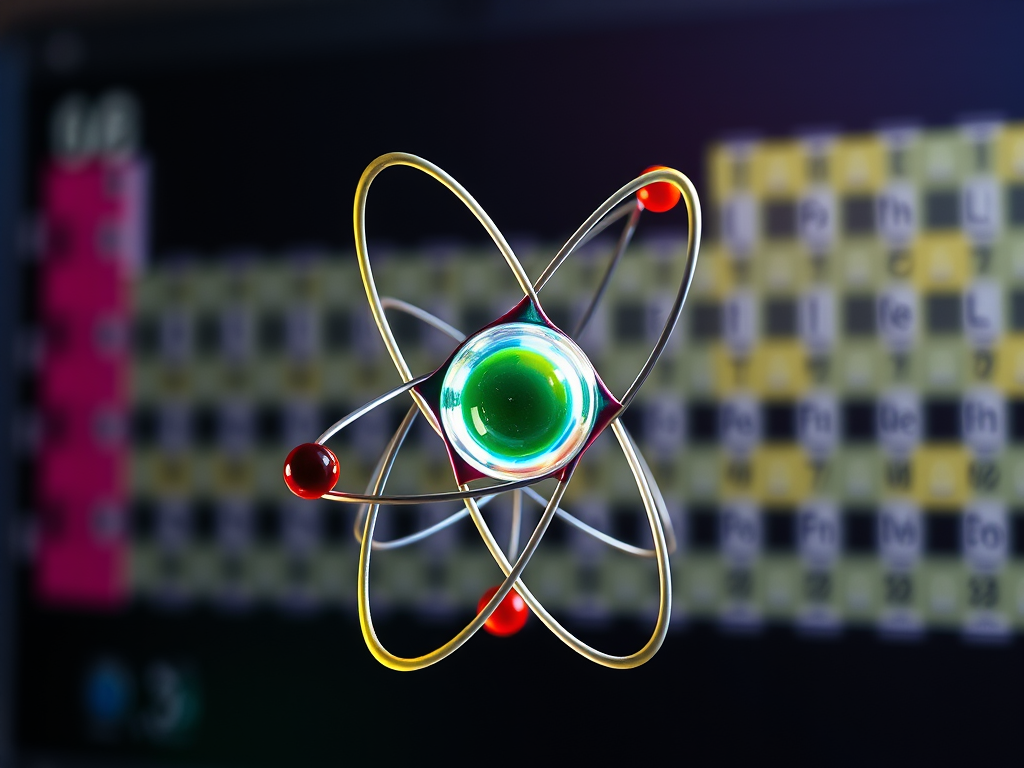
This lecture explores the fundamental concepts of atoms and elements, detailing their structures, classifications, and organisation in the periodic table. It emphasises the importance of understanding atomic properties to predict chemical behaviour and interactions, serving as a foundation for further studies in chemistry and practical applications in various educational contexts.
-
Join our lecture “Atoms, Elements, and the Periodic Table” to learn about the essentials of matter, including atoms, electron configurations, and the periodic table. Ideal for students, educators, and curious individuals, this session offers deep insights into chemistry. Explore related resources for further understanding of atomic science and material design.