
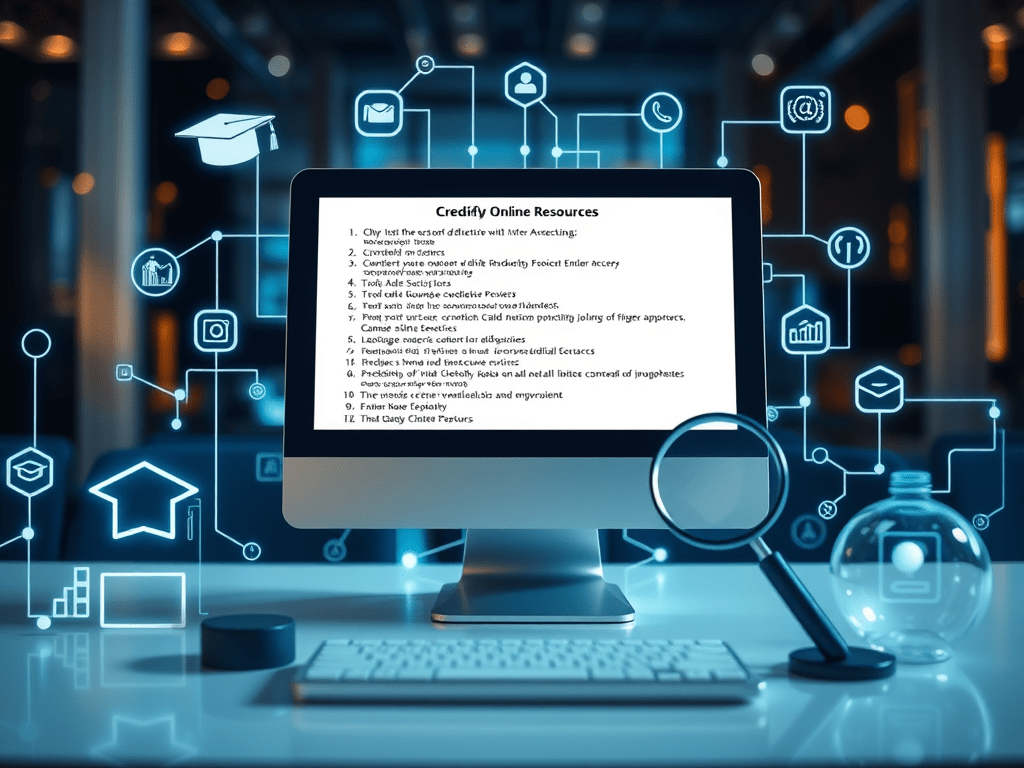
Not all online info is trustworthy. Here’s how to find credible resources:
1. Use Educational Domains
Look for websites ending in .edu or .org – these often host university research, nonprofit data, or scholarly resources.
→ Explore UK Academic Portals via Jisc
→ Search US University Sites with Google’s Site Filter
2. Peer-Reviewed Articles
Search Google Scholar for rigorously vetted research papers.
→ Visit Google Scholar
→ Read The PhD Hub’s Guide to Finding Peer-Reviewed Articles
3. Verify Authors & Sources
Check author credentials, institutional affiliations, and reference lists.
→ Use ORCID to Verify Researcher Profiles
→ Check Journal Impact via Scimago Rankings
4. Compare Multiple Sources
Cross-check facts across several reputable platforms to ensure consistency.
→ Use CORE for Open Access Research
→ Browse JSTOR’s Free Articles
5. Avoid Random Forums
Stick to trusted educational or professional platforms, and avoid unmoderated forums or anonymous posts.
→ Use ResearchGate for Scholarly Discussions
→ Explore PubMed for Biomedical Literature
Quality resources save time and improve learning. Don’t settle for anything less!
Which resource do you use the most for studying online?
Explore more with us:
- Read our Informal Blog for relaxed insights
- Discover Deconvolution and see what’s happening
- Visit Gwenin for a curated selection of frameworks
- Browse Spiralmore collections
 Deconvolution