recent posts
- C5 – Chemical Changes
 The C5 topic in GCSE Chemistry equips students with the knowledge to understand and explain chemical reactions. It covers acids, alkalis, metal reactions, displacement, redox reactions, and the significance of observations. Mastery of these concepts enables students to predict outcomes, write equations, and construct high-quality exam responses, facilitating effective learning.
 - Why We Get Déjà VuDéjà vu is the sensation of experiencing a current situation as familiar, despite it being new. This occurs due to temporary mismatches in brain processing, leading to errors in memory recognition. It illustrates that memory is constructive and prone to inaccuracies, helping us understand how the brain interprets experiences.
- Effective Flashcard Strategies for Better LearningFlashcards are a powerful study tool that enhances active recall and promotes spaced repetition for better memory retention. To create effective flashcards, write questions and answers on opposite sides, use images, and keep concepts concise. Regular review and digital apps like Quizlet or Anki can further improve learning outcomes.
- Honouring Neurodiversity in Resource DesignThe framework emphasises designing inclusive resources that honour neurodivergent perspectives. It advocates for intentional listening, flexibility in structure, and inviting language. By prioritising diverse cognitive needs and encouraging reflection and engagement, the aim is to innovate rather than accommodate, fostering supportive environments for neurodivergent users.
- C4 – Quantitative ChemistryThe C4 module in GCSE Chemistry focuses on quantitative skills necessary for understanding chemical calculations. It covers key concepts such as relative formula mass, moles, balanced equations, limiting reactants, percentage yield, and concentration. Mastery of these topics enables students to perform calculations confidently and prepares them for higher-tier examination success.




Tag: Travel
-

As 2026 begins, various platforms—Deconvolution, Access Trails UK, The Sustainable Stop, Bloggyness, Spiralmore, and Gwenin—embrace the new year with anticipation and creativity. They aim to enhance exploration, foster community, and inspire innovative writing while navigating the chaotic beauty of life. Join them in crafting a vibrant, interconnected ecosystem.
-
The festive message from Deconvolution, Access Trails UK, The Sustainable Stop, Bloggyness, Spiralmore, and Gwenin encourages moments of rest and reflection amidst holiday busyness. They offer support through academic clarity, outdoor adventures, community camping, playful writing, and innovative science, wishing everyone a Merry Christmas and joyful holidays while promoting creativity and connection.
-
A gap year is described as an intentional pause for personal growth rather than a passive break. It allows students to explore their identities, gain resilience, and develop skills outside academia. This guide emphasises planning with purpose, flexibility, financial considerations, and reflection to maximise the gap year’s potential for meaningful experiences.
-
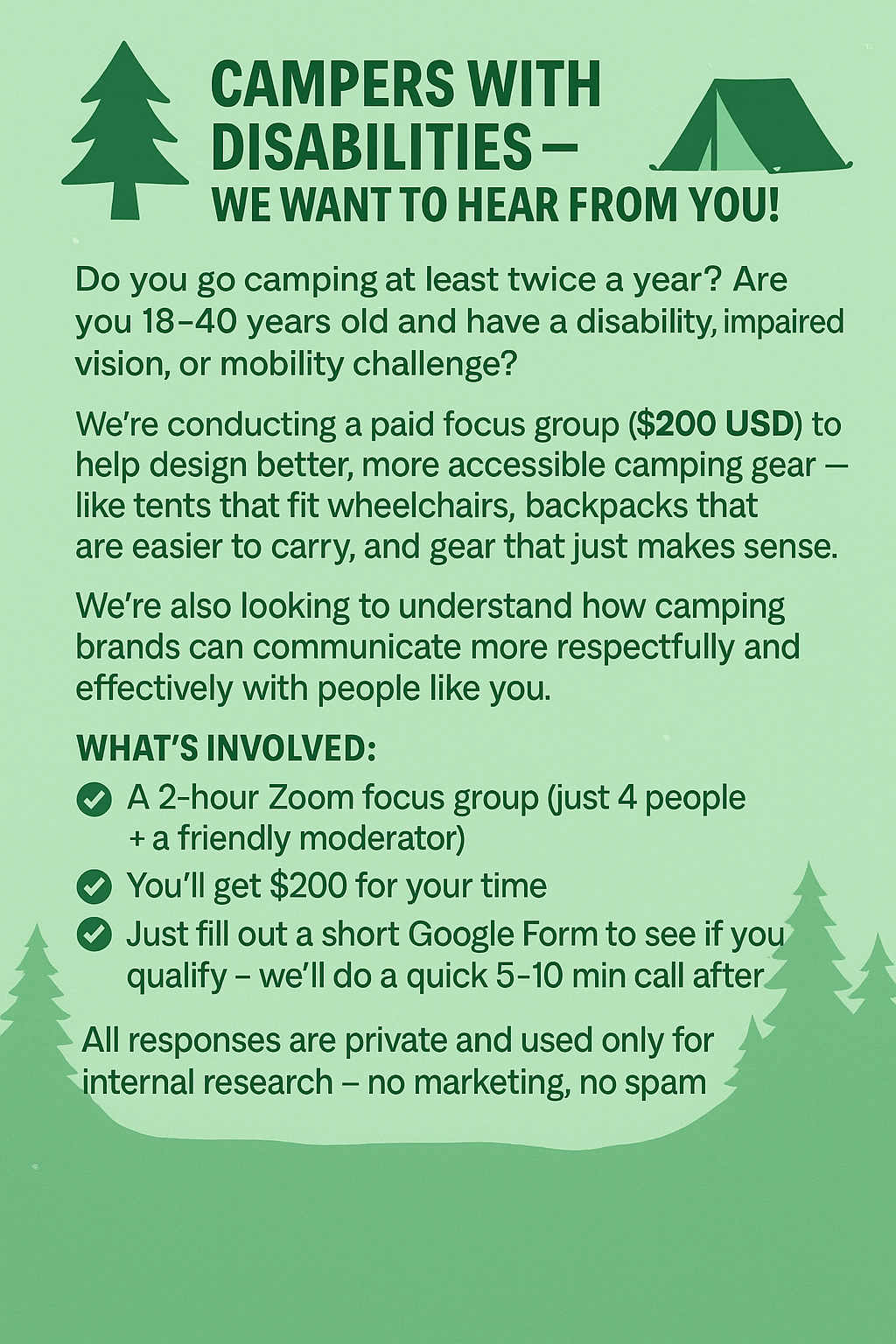
Tory Gentes is leading a research initiative focused on improving outdoor gear for campers with disabilities. Campers aged 18-40 who camp twice yearly are invited to participate in a paid virtual focus group to share their insights. Participants will receive a $200 gift card for their contributions.