

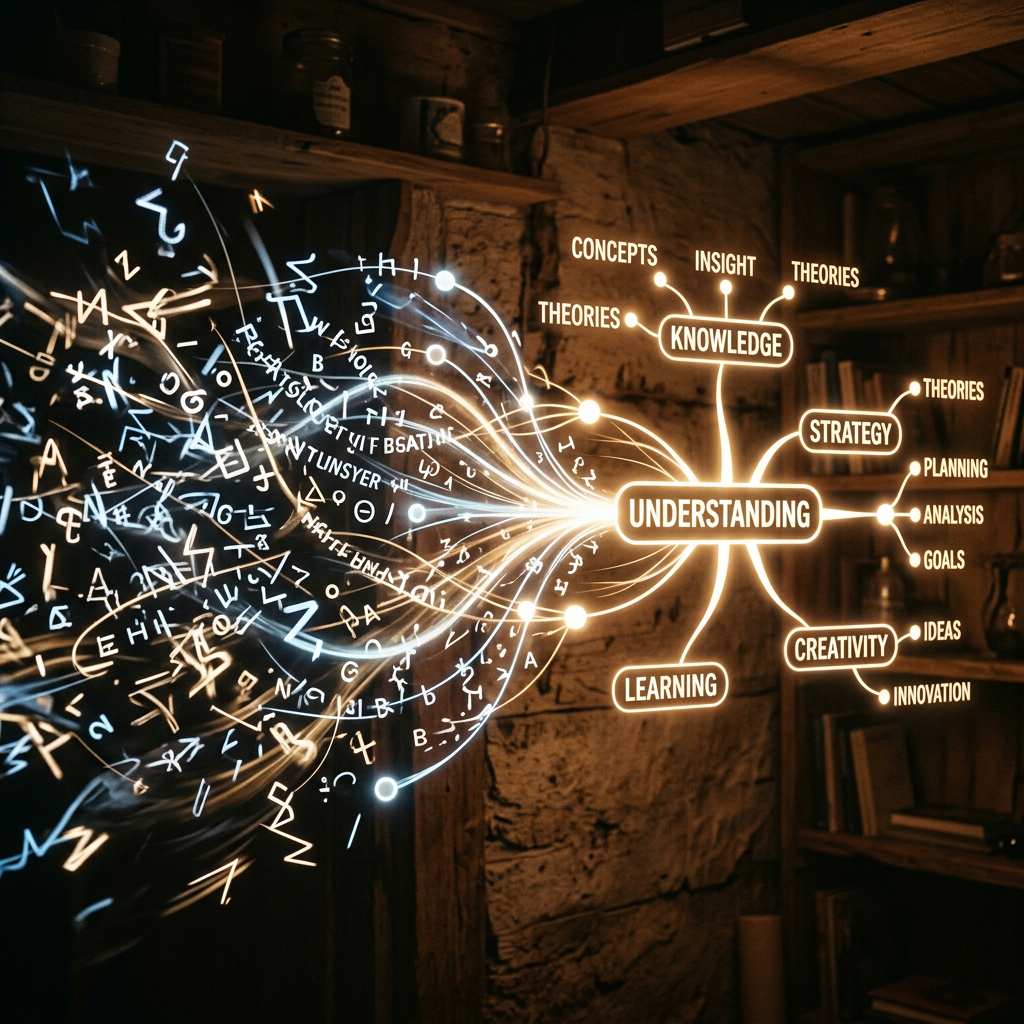
Science can feel confusing fast, especially when topics start stacking up, and everything feels like isolated facts instead of something connected.
The truth is, most people don’t struggle because science is “too hard.” They struggle because they’re using the wrong type of resource for where they are in learning.
That’s why there isn’t just one place to get science help. There are different tools for different stages of understanding.
In this guide, we’ll break down some of the best free science learning resources and when to use each one.
First: start with understanding, not memorising
Before jumping into revision videos or practice questions, it helps to actually understand what a topic means.
If you’re stuck at the stage of:
- “I don’t even know what this is talking about”
- “Everything feels disconnected”
- “I can’t build a mental picture of the topic”
Then you need something that simplifies the idea first.
That’s where Science Deconvolution comes in.
Science Deconvolution is designed to help break down science topics so they actually make sense before you move on to learning or revision.
Instead of jumping straight into content, it helps you understand the structure behind the idea first.
Then move into structured learning
Once the basics make sense, you can start building knowledge more formally.
Khan Academy
Best for step-by-step learning with practice questions. Ideal for building strong foundations.
BBC Bitesize
Perfect for UK students revising for school exams. Clear, simple, and curriculum-aligned.
Learn by doing (for deeper understanding)
STEM Learning
Great if you learn best through experiments and hands-on science.
Quick understanding and overviews
CrashCourse
Fast, engaging videos that give you the “big picture” of a topic.
Explore science visually
Science Museum Group
Interactive learning and real-world science examples that help connect ideas to reality.
The simple way to choose
If you’re unsure what to use, this is the easiest way to decide:
- Don’t understand the topic at all → Science Deconvolution
- Need structured learning → Khan Academy / BBC Bitesize
- Want experiments → STEM Learning
- Want quick understanding → CrashCourse
- Want real-world exploration → Science Museum Group
Final thought
The biggest mistake in science learning is trying to use the wrong tool at the wrong time.
Understanding comes first. Then learning. Then practice.
If you start in the right place, everything else becomes much easier.
If you want to go deeper into understanding how scientific ideas fit together, start here: